Nagarkot Climate Summit Demands Urgent Action as Himalayan Glaciers Melt
साउन १, २०८३, शुक्रबार | राति ०८:५७ बजे | 280
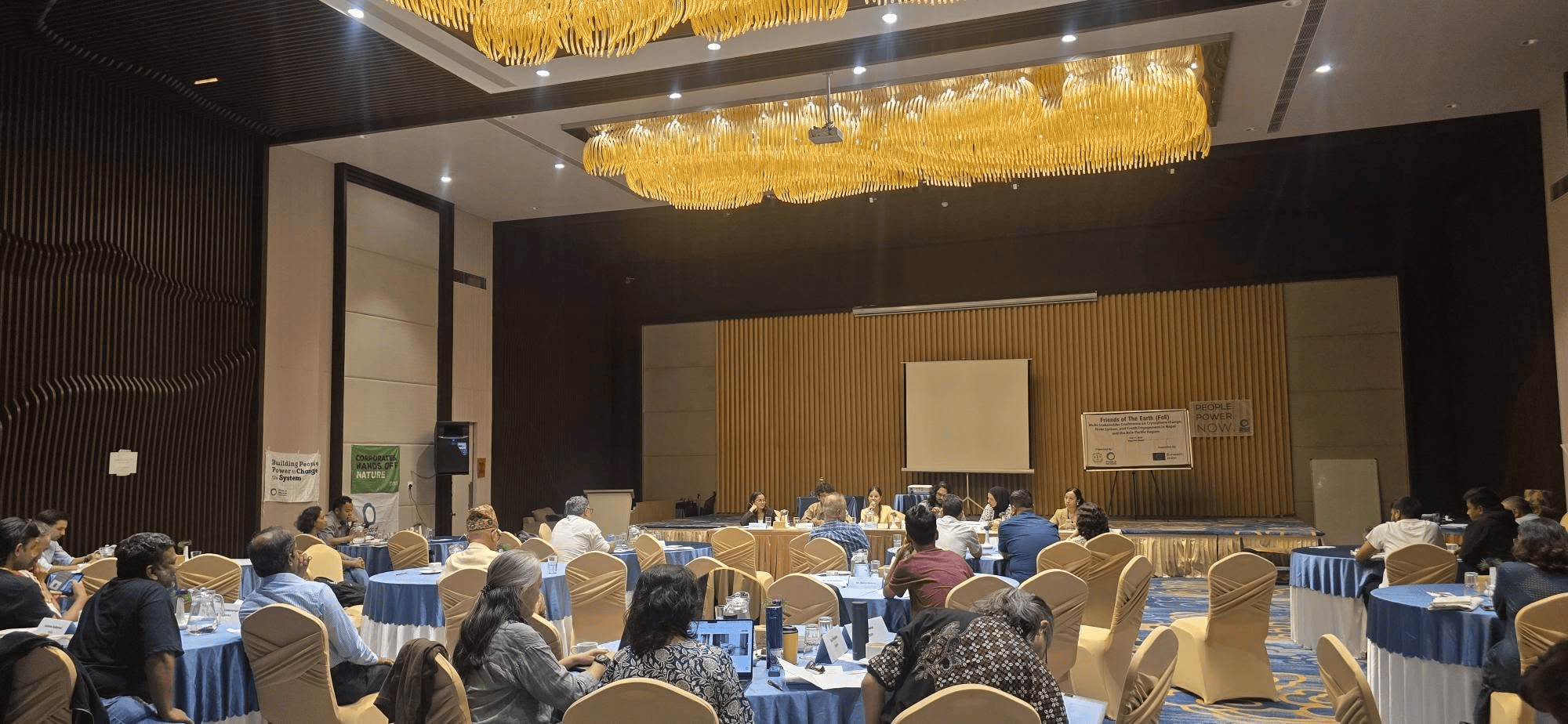
NAGARKOT — Climate experts, civil society organizations, and youth leaders from across the Asia-Pacific region have issued a unanimous demand for immediate international action and climate justice following the conclusion of a high-level climate summit in Nepal today.
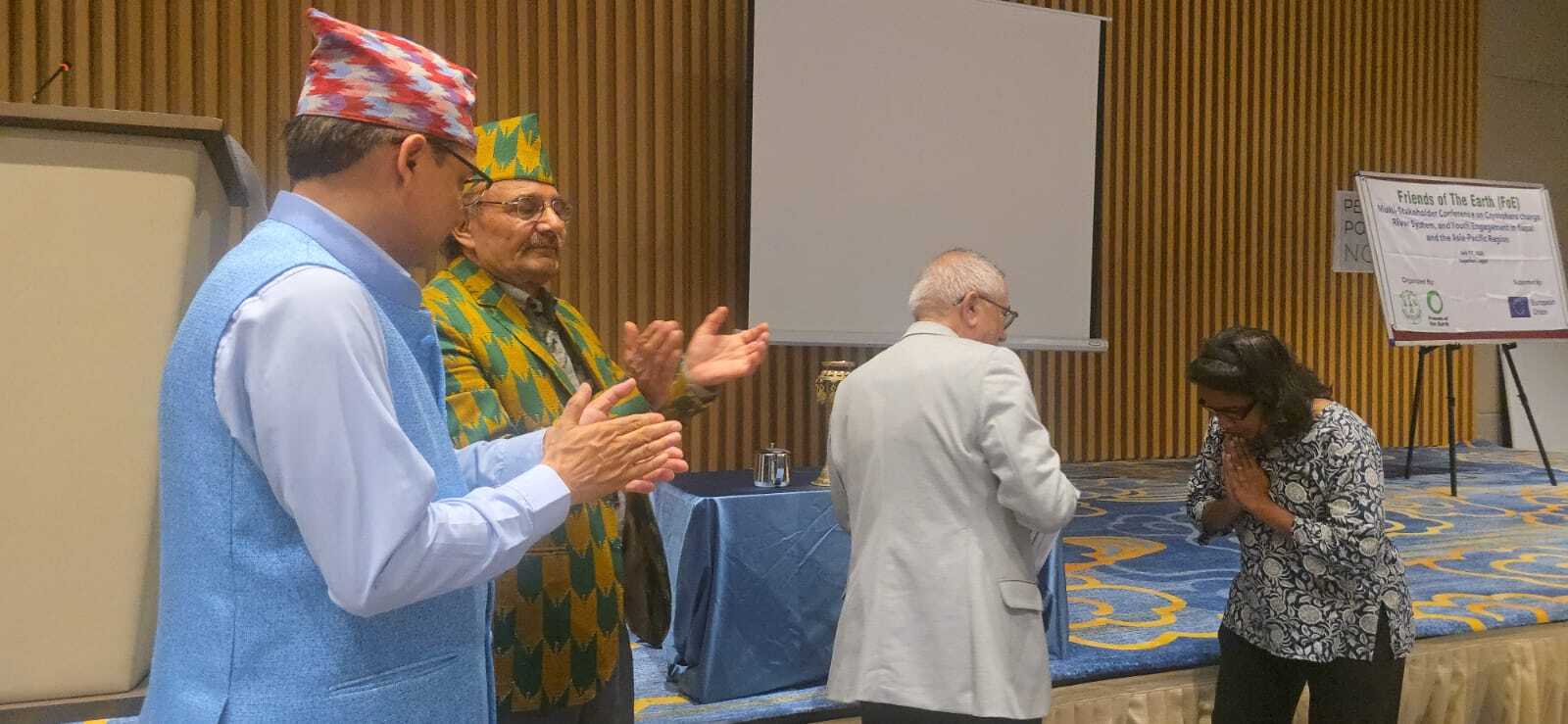
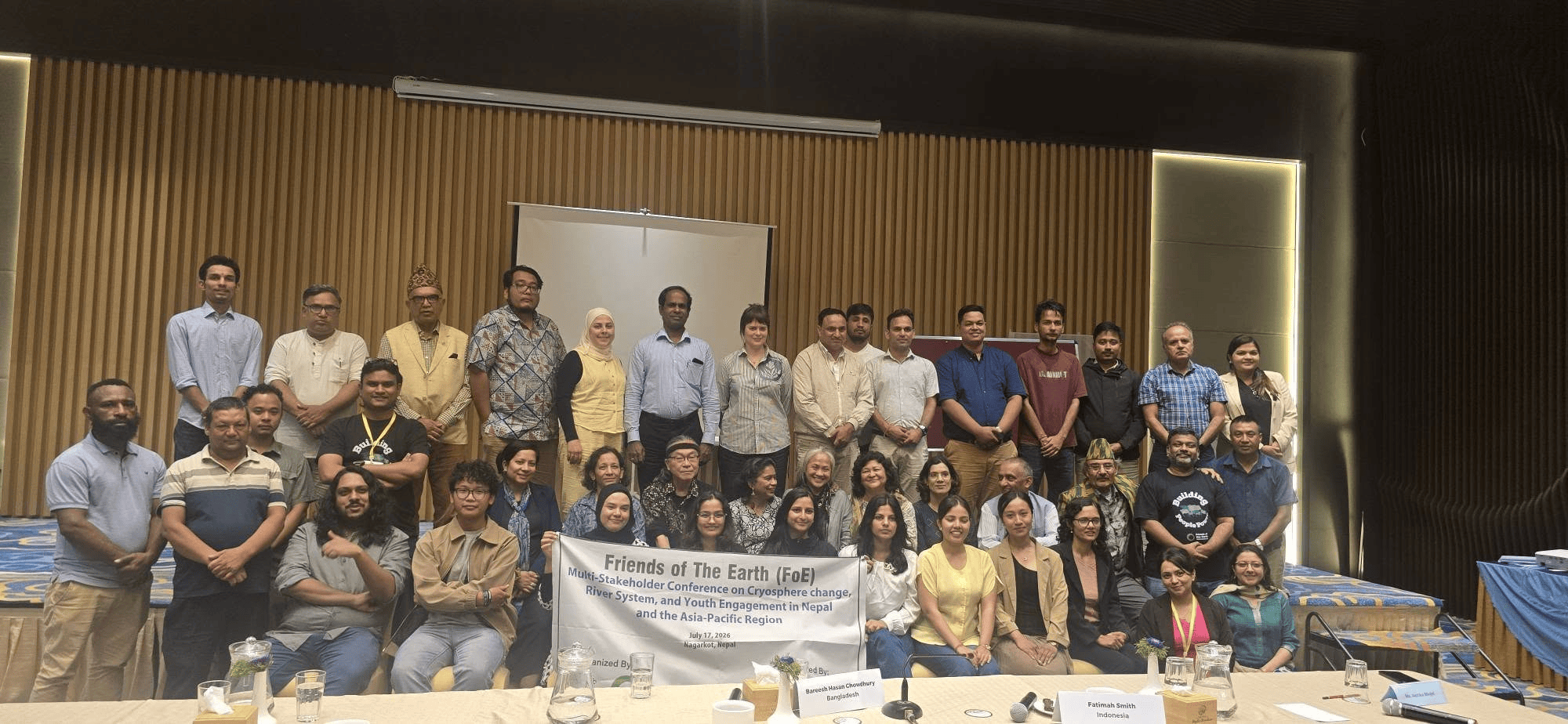
Gathering in Nagarkot for the Multi-Stakeholder Conference on Cryosphere Change, River Systems, and Youth Engagement, delegates adopted the Nagarkot Call for Action on Climate Justice. The declaration highlights the severe, disproportionate burdens that vulnerable mountain nations like Nepal face due to accelerating global warming.
A Disproportionate Crisis for Mountain Communities
The conference brought together a diverse coalition, including government agencies, scientific institutions, members of the Friends of the Earth Asia-Pacific region, and youth networks. Participants sounded the alarm over the rapid transformation of the Himalayan landscape, pointing to the accelerating retreat of glaciers, expanding glacial lakes, and the heightened risk of catastrophic Glacial Lake Outburst Floods (GLOFs).
The declaration notes that while countries like Nepal contribute a negligible fraction of global greenhouse gas emissions, they are experiencing the worst of its consequences. These include changing river flow patterns and escalating climate disasters that threaten mountain ecosystems, biodiversity, and millions of livelihoods both in the hills and further downstream across the subcontinent.
Echoing the stark warnings of the United Nations Secretary-General that "we are digging our own graves," the delegates stressed that the era of incremental climate action is over.
Highlighting a 10-Point Plan for Action
To address the immediate threats to the region's river systems and mountain ecosystems, the Nagarkot Call for Action outlines 10 critical demands for regional governments, international financial institutions, and the global community:
-
Drastic Emission Cuts: Accelerate ambitious action to reduce greenhouse gas emissions in strict alignment with the Paris Agreement.
-
Targeted Protection: Prioritize glaciers, mountain ecosystems, and river systems in national, regional, and global climate agendas.
-
Scientific and Risk Investment: Strengthen cryosphere monitoring, scientific research, and expand community-centered early warning systems to mitigate GLOF risks.
-
River Governance: Promote integrated river basin management to protect freshwater ecosystems while ensuring equitable water access.
-
Equity and Rights: Ensure climate policies uphold environmental justice, human rights, and the meaningful participation of Indigenous Peoples and marginalized groups.
-
Youth Institutionalization: Formally recognize and integrate youth as equal partners in climate governance, leadership, and research.
-
Scaled-Up Finance: Increase accessible, predictable finance for adaptation, locally led resilience, and dedicated funding to address loss and damage.
-
Transboundary Cooperation: Strengthen regional collaboration among Himalayan and Asia-Pacific countries on river governance and disaster risk reduction.
-
Civic Protection: Support and protect environmental human rights defenders, researchers, journalists, and civil society organizations.
Turning Solidarity Into Impact
Beyond their demands to the international community, the conference participants committed to breaking down sectoral borders to advance science-informed, community-led solutions.
"This Declaration represents our collective commitment to transform concern into action and solidarity into lasting partnerships," the statement reads, closing with a final demand that international governments translate their long-standing climate promises into immediate, measurable justice.
फाेटाेमा हेर्नुहाेस्...

Comments